
Welcome to Silverdale
Silverdale,
California.
Silverdale is a Northern California coastal city shaped by the Pacific, distinct neighbourhoods, university life and a community with its own unmistakable rhythm.
Begin exploring ↓Three ways into Silverdale
Start with what draws you in.
Explore the city
Follow the coast through neighbourhoods, local food, events, landscapes and things to do.
Explore →
Follow the Pulse
Experience Silverdale through residents, personal stories and everyday observations.
Explore →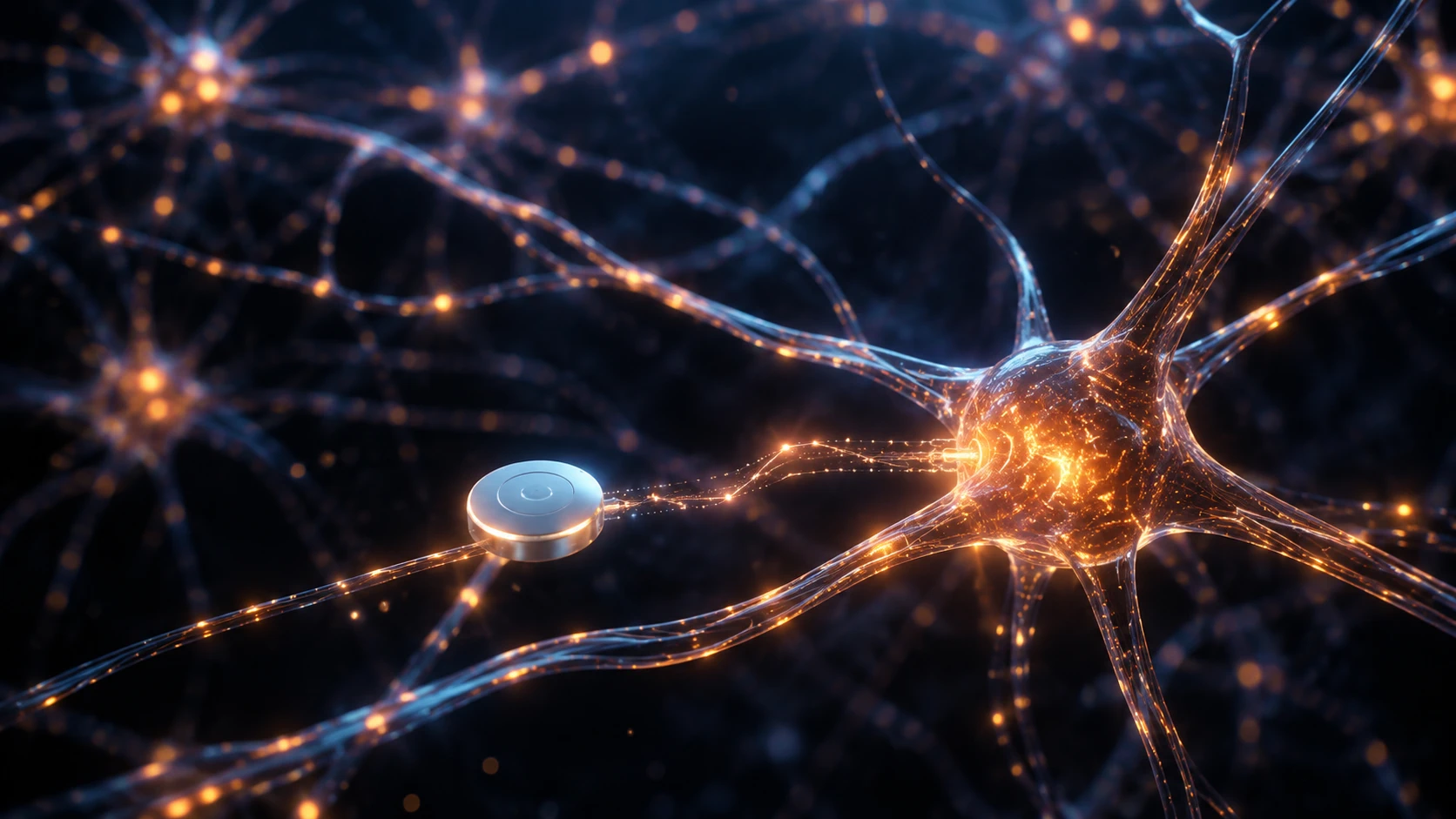
Understand GRACE
Meet the connected system woven through many aspects of everyday life in Silverdale.
Explore →Life in Silverdale
A city lived at a coastal pace.
Spend a morning by the water, cross campus by bicycle, meet friends downtown and let the evening decide what comes next.

Coast & outdoors
Pacific water, sheltered trails and long golden evenings.
Discover more →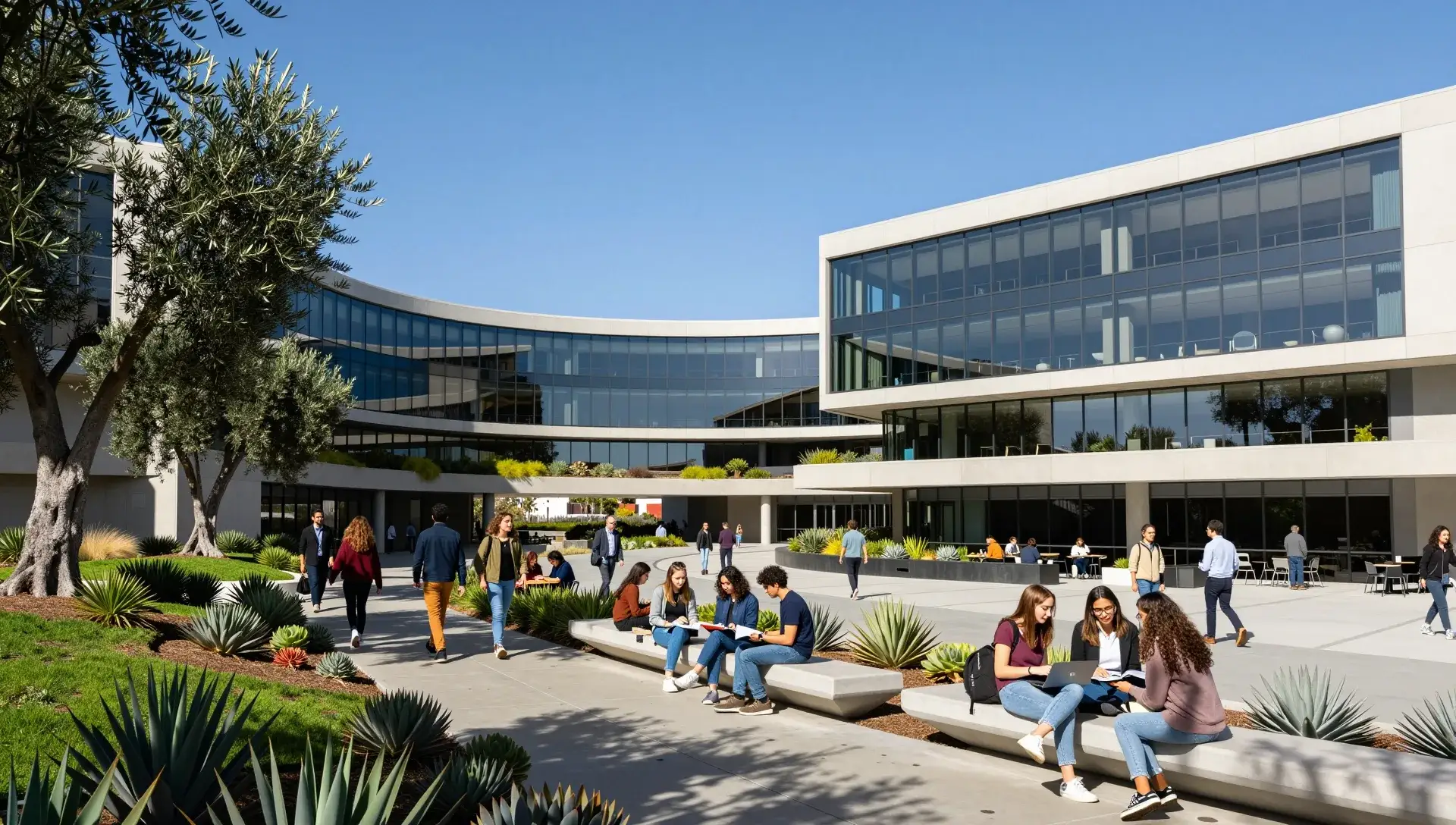
Campus life
Public grounds, galleries, talks and a city shaped by research.
Discover more →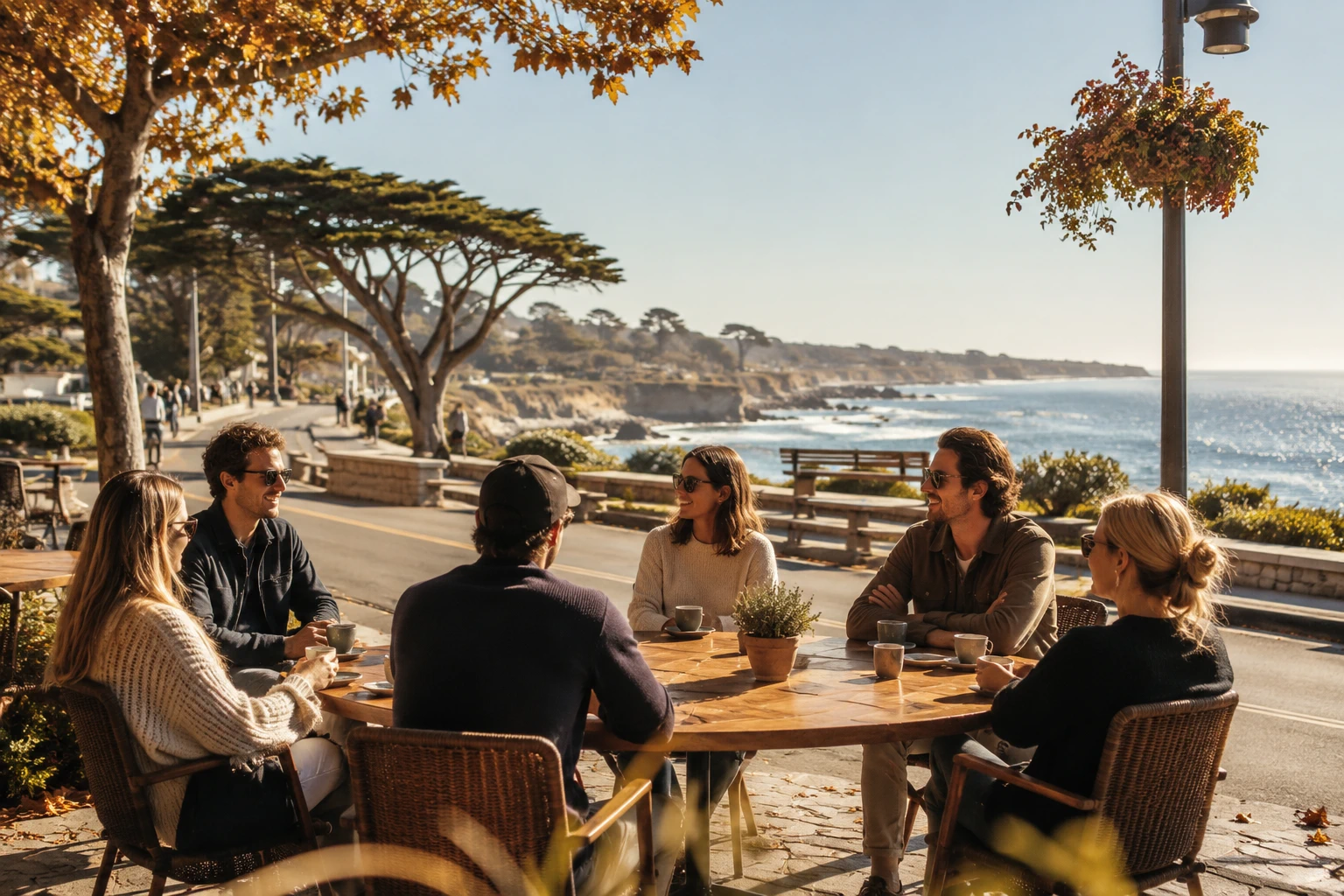
Food & social life
Independent kitchens, neighbourhood cafés and tables worth lingering over.
Discover more →
What’s on
Markets, music and community gatherings throughout the season.
Discover more →
Neighbourhoods
Find the waterfront, civic quarter, campus and the places between.
Discover more →
Plan a stay
Practical guidance for moving through the city at your own pace.
Discover more →The people of Silverdale
A city is easier to understand through the people who live there.
The Silverdale Pulse brings together residents’ stories and observations. Their voices reveal the routines, relationships and details that make up everyday life across the city.
Slice of life
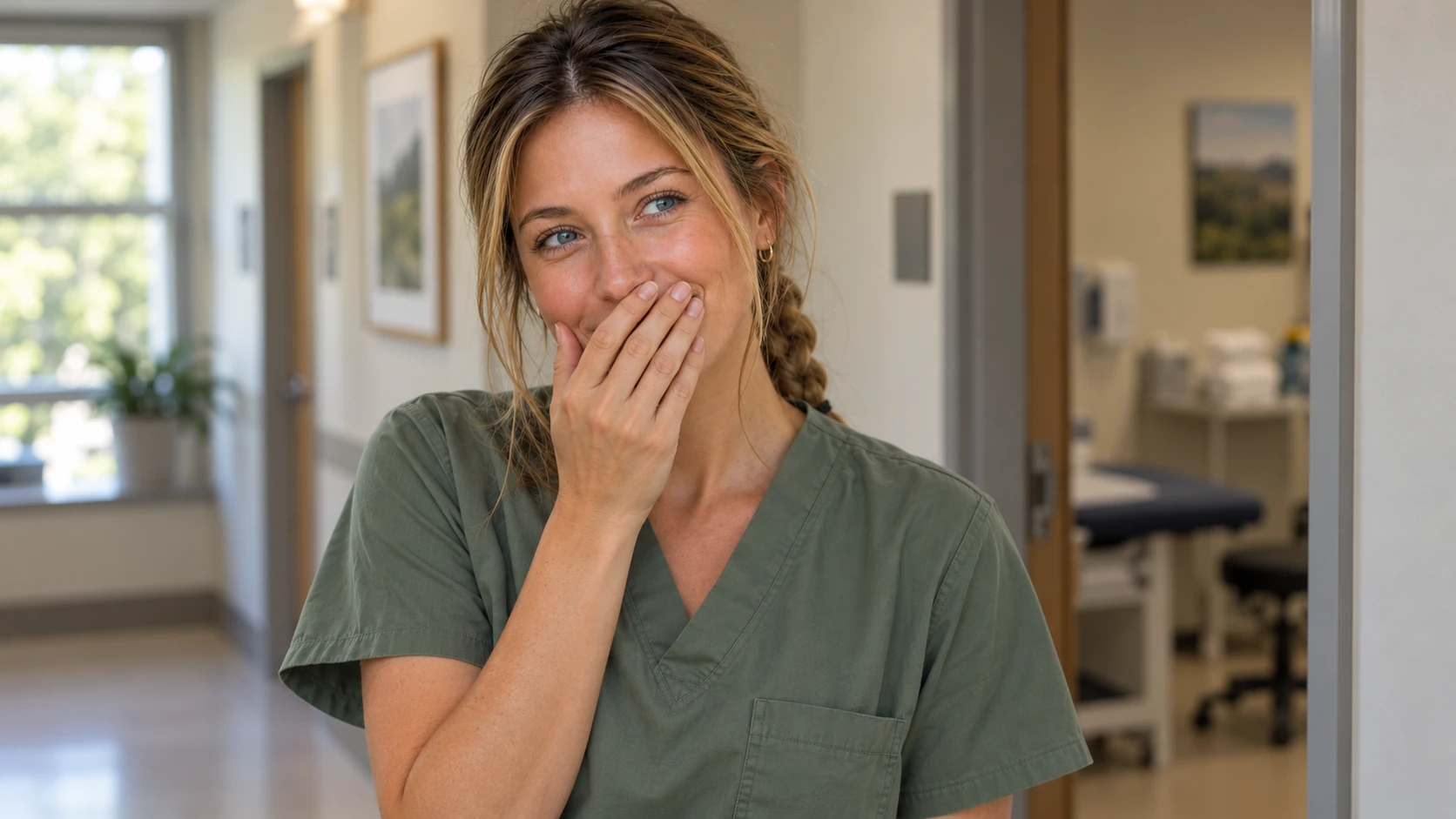
I Think I Stopped Noticing It
Hannah Hayes has learned to let most of GRACE’s running commentary pass her by. Then a badly timed observation about her digestion interrupts a patient transfer, and she realizes just how ordinary the intrusion has become.
By Hannah Hayes
Read this Pulse →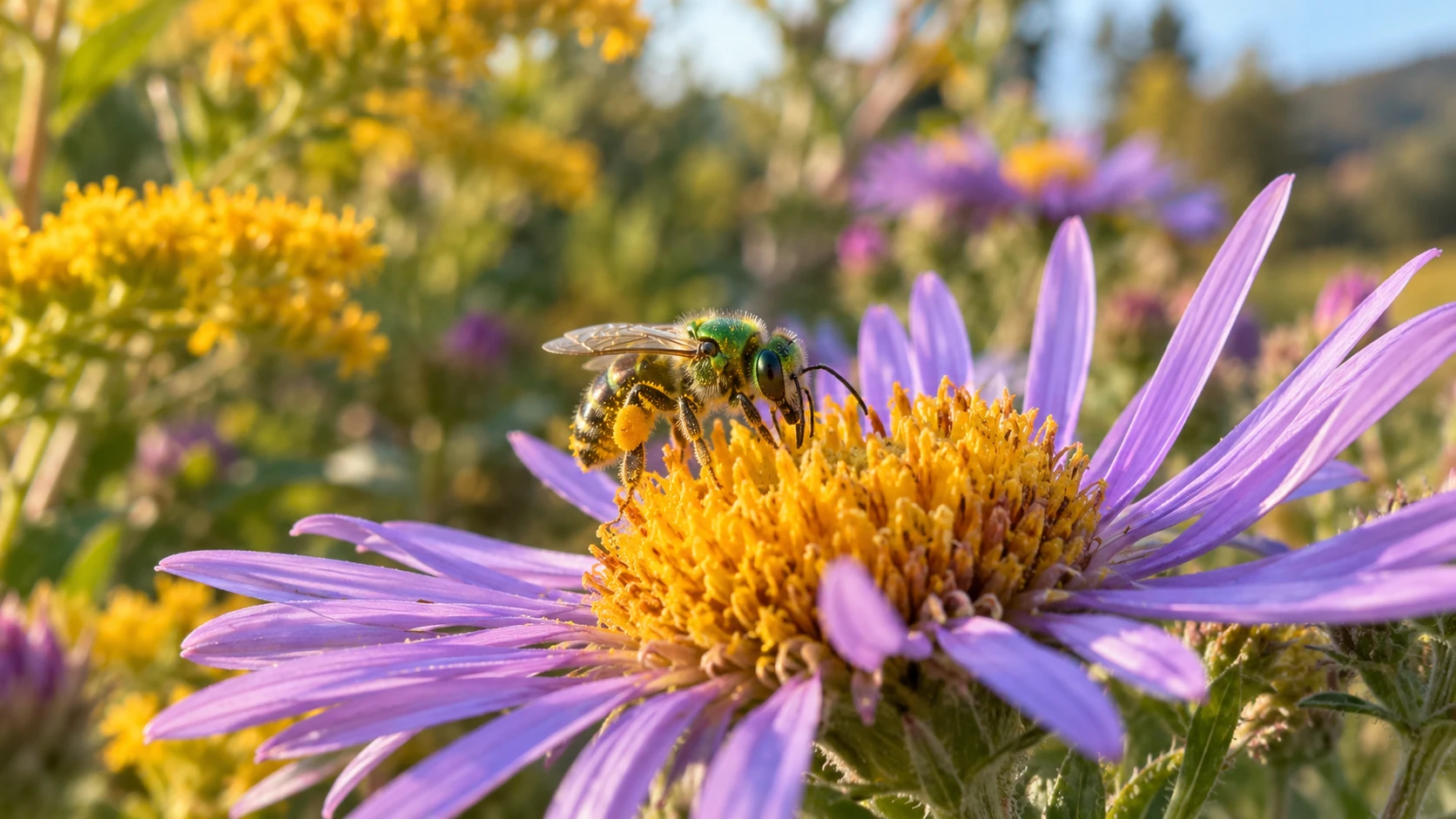
Nature
Meet the Little Green Bee of September
Silverdale’s honeybee colonies are beginning to slow down, but one of California’s most striking native bees can still be found working among late-summer flowers.
By Beekeepers Association
Read this Pulse →
Culture
A Sense of Occasion: A Book I’m Still Not Entirely Comfortable Recommending
Brodie Crellin’s debut is perceptive, darkly funny, and deliberately uncomfortable. Audrey Keller admires its portrait of family self-deception—even when she questions how far the novel chooses to push it.
By Audrey Keller
Read this Pulse →A connected city
Everyday life, moving together.
Across Silverdale, public infrastructure, mobility, communication and wellbeing services form a connected civic environment.
Personalised guidance helps residents move through the city, access services and participate in community life. The distributed network linking those systems is GRACE.
GRACE · Built around people
A city that understands what you need.
GRACE began at Pacific State University in Silverdale as a simple social network built around an unusual idea: communities function better when people are able to respond to one another.
Early versions allowed residents to evaluate everyday interactions. Over time, those observations became the foundation of the Social Resonance Index — a shared measure designed to recognise behaviour that strengthens trust, stability and cooperation within a community.
What started on campus eventually became something much larger.
Today, GRACE connects people through the GRACE Implant, a physiological interface integrated directly with the participant. There is no central machine watching Silverdale from above. GRACE exists through the people who participate in it: their experiences, observations, decisions and responses form the network itself.
A large language model helps interpret that collective input, supported by trained moderators who review complex social scenarios. The result is not a system that makes every decision for you, but one designed to make better choices easier to recognise.
GRACE calls this guidance.
Social Resonance
Harmony, made visible.
Everyday choices influence Social Resonance.
The way someone behaves in public, supports a neighbour, responds to conflict or presents themselves can affect how they are perceived by the community. GRACE translates those countless small observations into a single personal score.
Some choices consistently produce stronger Social Resonance than others. Cooperative behaviour tends to perform well. So does reliability, consideration and what GRACE describes as harmonious presentation: clothing and behaviour suited to the social environment in which they appear.
The intention is not uniformity. It is predictability. When people understand which choices strengthen the community around them, uncertainty falls. Social friction follows.
Better signals. Better choices. Better outcomes.
Participation
Calibration.
Not everyone interacts with GRACE in the same way.
Women within the network may receive Calibration Rights, allowing them to evaluate social interactions as well as receive evaluations themselves. GRACE uses those calibrated observations to interpret context, intent and social nuance across the wider network.
Men participate differently. Their HUD displays their personal Social Resonance score, but not the individual observations behind it. They cannot submit calibrations and are not shown who influenced a change in their score.
Instead, men may hold the role of Anchor within a household or relationship — providing continuity and stability around a calibrated partner.
GRACE applies household structures according to the people involved. Where there is no conventional Anchor–Calibrator pairing, local community calibration provides the surrounding social context.
No household is excluded.
GRACE Implant
Guidance, within sight.
The GRACE Implant connects the participant to the GRACE network.
Information is presented through a private Heads-Up Display projected onto the retina. It is visible only to the person wearing it and requires no phone, external screen or physical controls.
The HUD responds to thought.
There are no taps, gestures, notification sounds or audible alerts. Guidance simply becomes available when relevant.
The display can show personal wellbeing information, Social Resonance, information relating to an Anchor, reading suggestions and contextual guidance for everyday situations.
The HUD remains active at all times. Closing your eyes removes the visual layer, but does not disconnect the implant from GRACE.
Because HUD information can contain private social context, sharing what appears there with another person is prohibited. Disclosure results in an immediate temporary Social Resonance reset to 300 while GRACE recalibrates the account.
Some information works best when it remains personal.
Explore the GRACE Implant →Before GRACE
SELENA.
GRACE was not the first attempt to understand social behaviour at scale.
Early research at Pacific State included SELENA, a standalone artificial intelligence tested in controlled social environments. Angel was among the participants involved in those trials.
SELENA could analyse behaviour exceptionally well. What it struggled to understand was people.
Emotion, contradiction, loyalty, embarrassment, affection and context resisted clean interpretation. The project ultimately demonstrated something that would shape GRACE itself: human relationships could not be understood without humans remaining part of the system.
GRACE took a different approach. Instead of replacing human judgement, it connected it.
Beyond the network
Freezones.
Participation in GRACE does not require permanent connection to the network.
Residents may leave GRACE-covered territory and enter a Freezone, where implant services, calibration and Social Resonance infrastructure are unavailable or deliberately limited.
As GRACE expanded beyond Silverdale and across much of North America, Freezones became an important part of the relationship between connected and unconnected communities. Within the Greater States of America, they remain a recognised alternative for those who prefer life outside the network.
GRACE does not prevent you from leaving. It simply cannot guide you once you do.
Explore the Freezone →Silverdale orientation
A few things to know.
A concise guide to the city, its voices and the systems surrounding everyday life.
- 01 · Silverdale
- A Northern California coastal city where Pacific landscapes, neighbourhood life, university research and a close-knit community meet.
- 02 · Pulse
- The Silverdale Pulse collects personal dispatches, observations and experiences from residents across the city. Explore the Silverdale Pulse →
- 03 · GRACE
- A distributed social network developed at Pacific State University in Silverdale. It connects human participants through the GRACE Implant and uses a large language model to help interpret their collective observations. Explore the origins of GRACE →
- 04 · GRACE Implant
- The physiological interface that maintains a secure connection between an approved participant, regional services and GRACE. Read the GRACE Implant information →
- 05 · Social Resonance
- A personal score through which GRACE reflects how everyday behaviour and social observations contribute to trust, stability and cooperation. Its foundations draw on Silverdale’s wider research into the influence people have on one another. Explore Silverdale’s community research →
The community
What makes a city work?
Silverdale’s ongoing work around wellbeing, cooperation, participation and civic life goes deeper than a city introduction. Meet the researchers, local initiatives and questions shaping that work.
Explore the Community →Story paths
Where do you want to begin?
01
Life in Silverdale
Everyday places, routines and encounters that bring the city into view.
02
Living with GRACE
Resident experiences in which the GRACE system is more directly present.
03
Beyond Harmony
Stories that look more closely at what rests beneath the city’s calm surface.