Pulse 904NVL · July 29, 2025 · 4 min
The Things People Want Back
Sometimes independence is just getting your morning back.
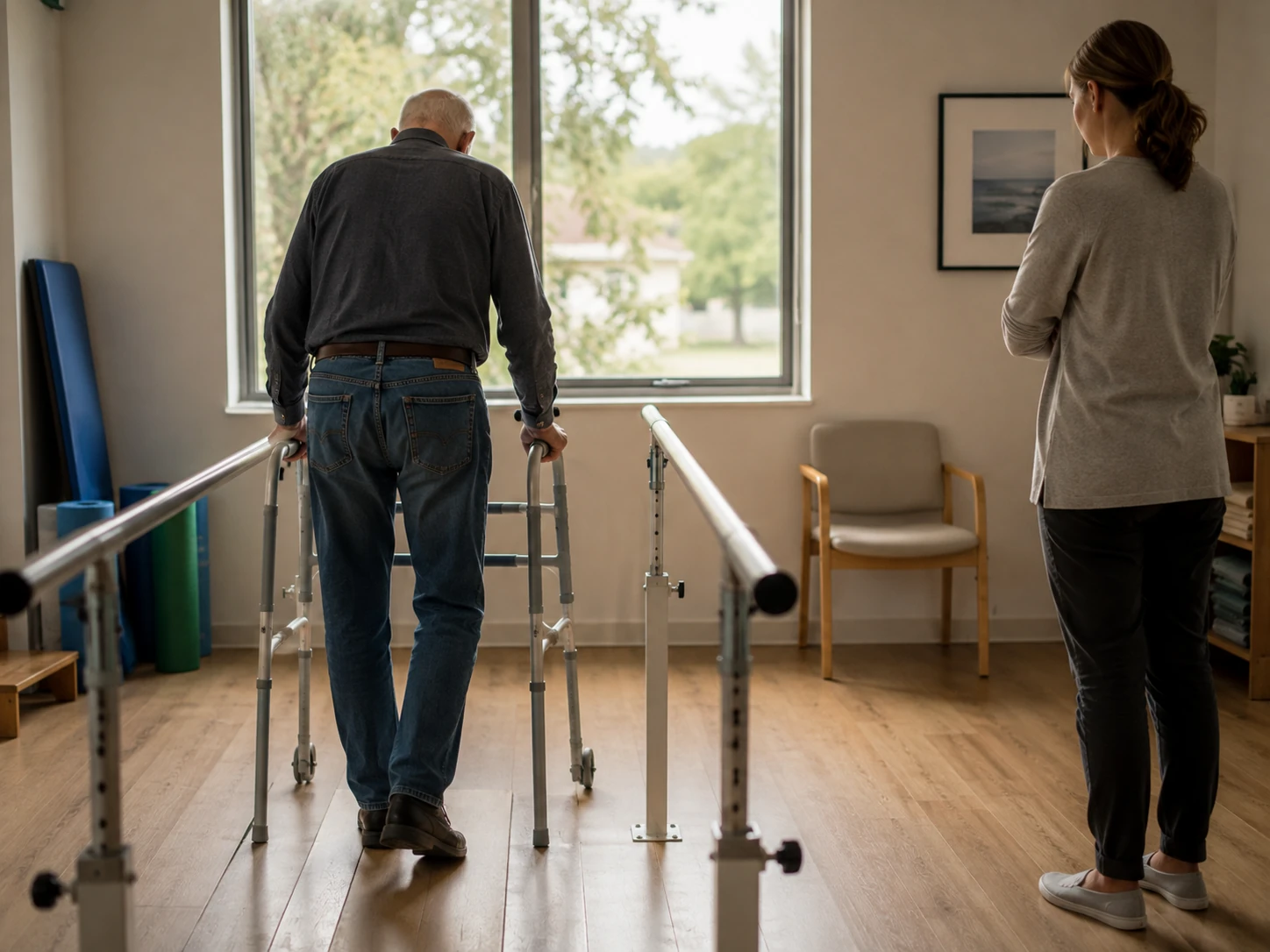
I work in occupational therapy, which means people usually come to me after something has happened.
A fall. A stroke. Surgery. An accident. Sometimes just age doing what age does, slowly taking things that nobody remembers agreeing to give up.
People assume my job is about getting people back to normal. It isn’t, really. Normal is a surprisingly difficult place to return to.
And the funny thing is, nobody ever comes into my office asking for the things you’d expect.
Nobody says, “Hannah, I would like to regain functional independence.”
They say they want to make coffee.
They want to get into the shower without their daughter standing outside the bathroom.
They want to drive to the grocery store.
They want to kneel down in the garden and somehow get back up again.
One woman spent three weeks working with me because she wanted to be able to put on her own earrings. Her husband could do it for her, apparently, but according to her he was “absolutely terrible at it.”
She was right. I watched him try once.
Last month, an older man came to see me after a fall.
I won’t use his name. He’s lived in Silverdale longer than I have, though, and I suspect half the town would recognize him if I gave you two more details.
He walked with a cane before the fall. Now he uses a walker.
On our first appointment I asked him what he wanted to achieve.
He said, “I want to stay mobile.”
That’s a perfectly reasonable answer. It’s exactly the kind of answer I’m trained to work with.
So I asked what mobile meant to him.
Walking around the house?
Getting to the mailbox?
Going shopping?
He looked at me as though I’d misunderstood something very obvious.
“I walk to the park every morning.”
Not walked.
Walk.
He told me his route. Down his street, across Cedar, around the eastern side of the park and back. About a mile and a half. He’d been doing it almost every morning for twenty-three years.
Then he asked me how long it would be before he could do it again without the walker.
And I knew.
That’s one of the parts of this job nobody really explains to you at school.
Sometimes you know.
You do the assessments. You look at strength, balance, endurance, recovery. You know improvement is possible. You know there are things you can help with.
And you also know that the particular thing sitting across the table from you—the thing this person actually wants back—is probably gone.
I gave him the professional answer.
We’d work on his strength. We’d work on balance. We’d take it one step at a time and see where we got.
He nodded.
Then he asked again.
“But you think I’ll walk the park again?”
And, God, I nearly broke.
Not dramatically. I didn’t burst into tears or run out of the room. I just had that awful little moment where I couldn’t immediately trust my voice.
Because suddenly he wasn’t a patient and I wasn’t his therapist.
He was just an old man asking a younger woman whether he could have his mornings back.
So I pulled my chair a little closer and told him the truth.
I didn’t know if we’d get him around the park again. I wasn’t going to promise him that.
But we’d get as close as we could.
He’s still coming in.
We’re working on it.
Last Tuesday he walked farther than he had the week before. He was exhausted afterward and complained about every exercise I gave him. Apparently I am “surprisingly cruel for someone who smiles this much.”
I’ll take it.
I don’t know if he’ll ever make that mile and a half again.
I hope he does.
But I’ve started thinking differently about what people mean when they tell me they want their independence back.
Usually they don’t mean independence.
They mean coffee.
Earrings.
A shower with the door closed.
A trip to the grocery store.
Or twenty-three years of mornings in the same park.
Those are the things people want back.
Continue reading
You might also like
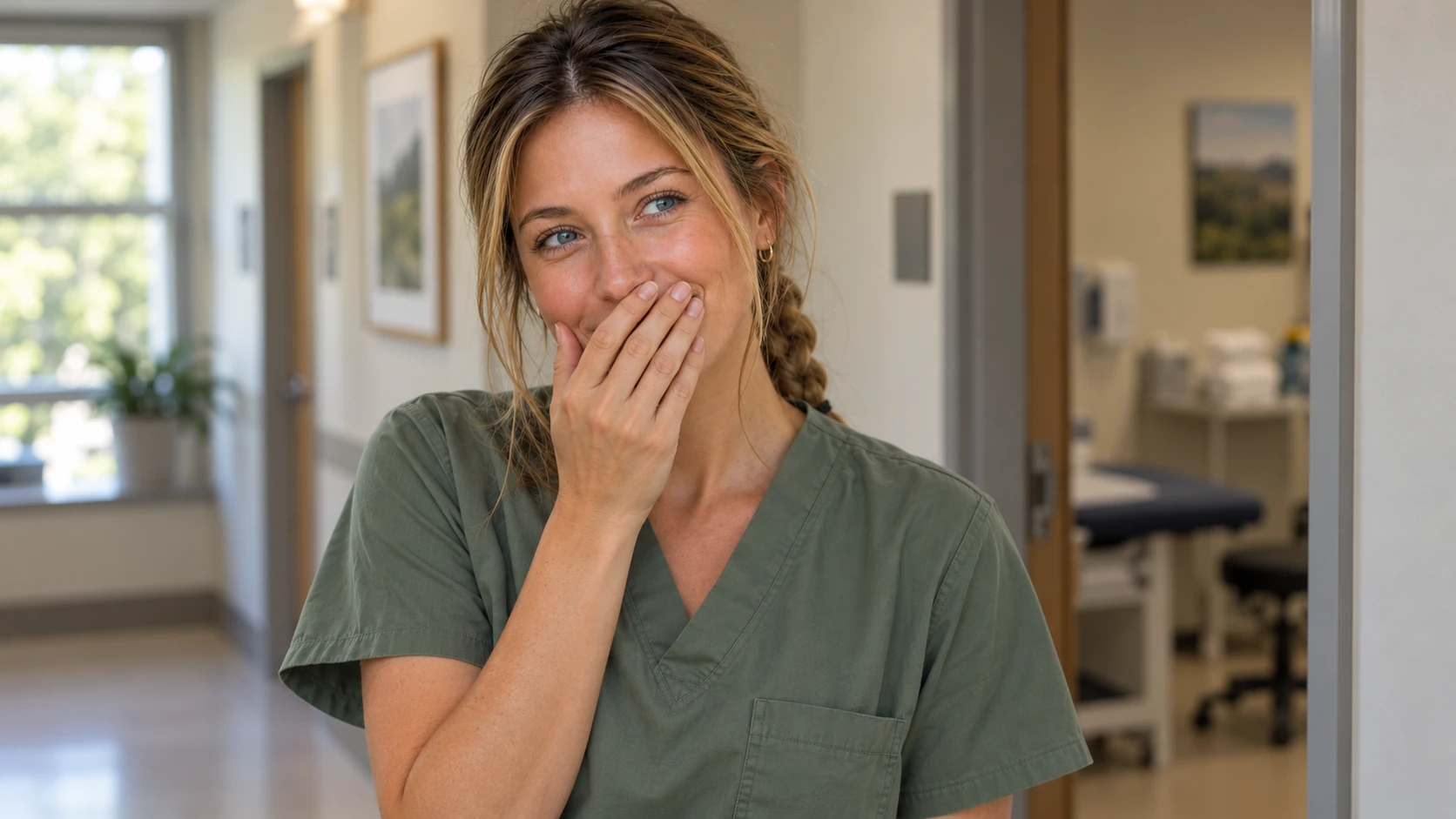
I Think I Stopped Noticing It
Hannah Hayes has learned to let most of GRACE’s running commentary pass her by. Then a badly timed observation about her digestion interrupts a patient transfer, and she realizes just how ordinary the intrusion has become.
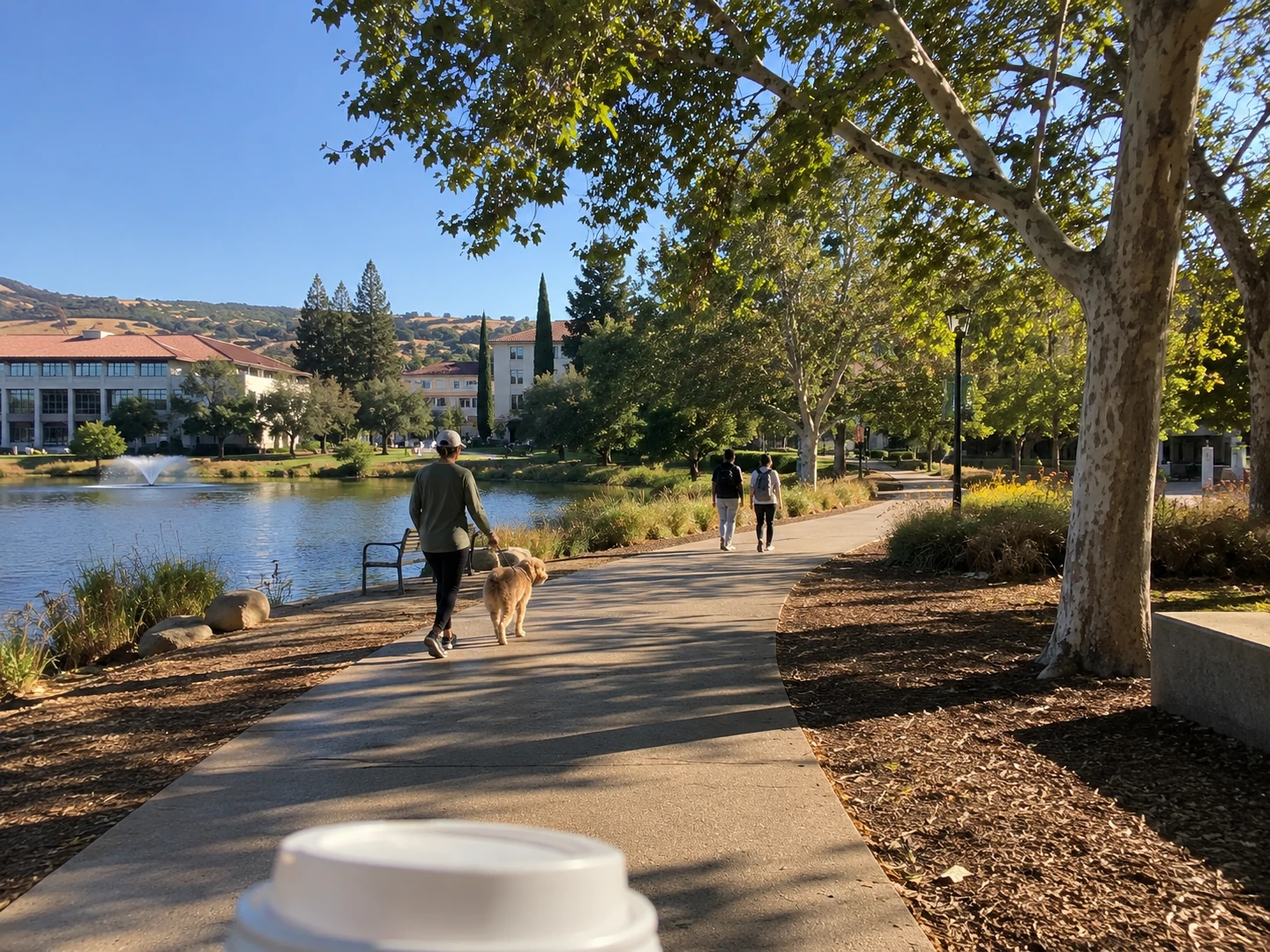
The Ordinary Part
Theresa Sterling helped build GRACE. Somewhere along the way, she stopped thinking about it only as a system and started noticing what it meant for an ordinary Tuesday.

Under the Stairs
A quiet break beneath the concrete stairs forces Mary to confront the distance between what GRACE measures and what her friends understand.
Silverdalers, in their own words
From Silverdale
Dave Grant
Hannah, you’re a very good writer. I hope you know that.
I’m fairly certain I know the man you’re writing about. If I’m right, he lives a couple streets over from me. I’ve seen him walking that route for years, usually early enough that I’m still standing in my kitchen trying to convince myself the first cup of coffee is working.
Funny thing is, I never knew his name.
I’d notice when he was there, though.
And now that I think about it, I haven’t seen him in a while.
Please tell him there’s at least one person in Silverdale quietly rooting for him to get his mornings back.
Community notes
Join the conversation
Thoughtful contributions help keep Silverdale’s community conversations useful, welcoming and connected.
GRACE COMMUNITY
Thank you.
Your Community Profile could not be verified.
Comments become available after participation has been confirmed.