Pulse 7FTXE8 · August 10, 2026 · 2 min
The Summer Buzz Is Changing
the-summer-buzz-is-changing
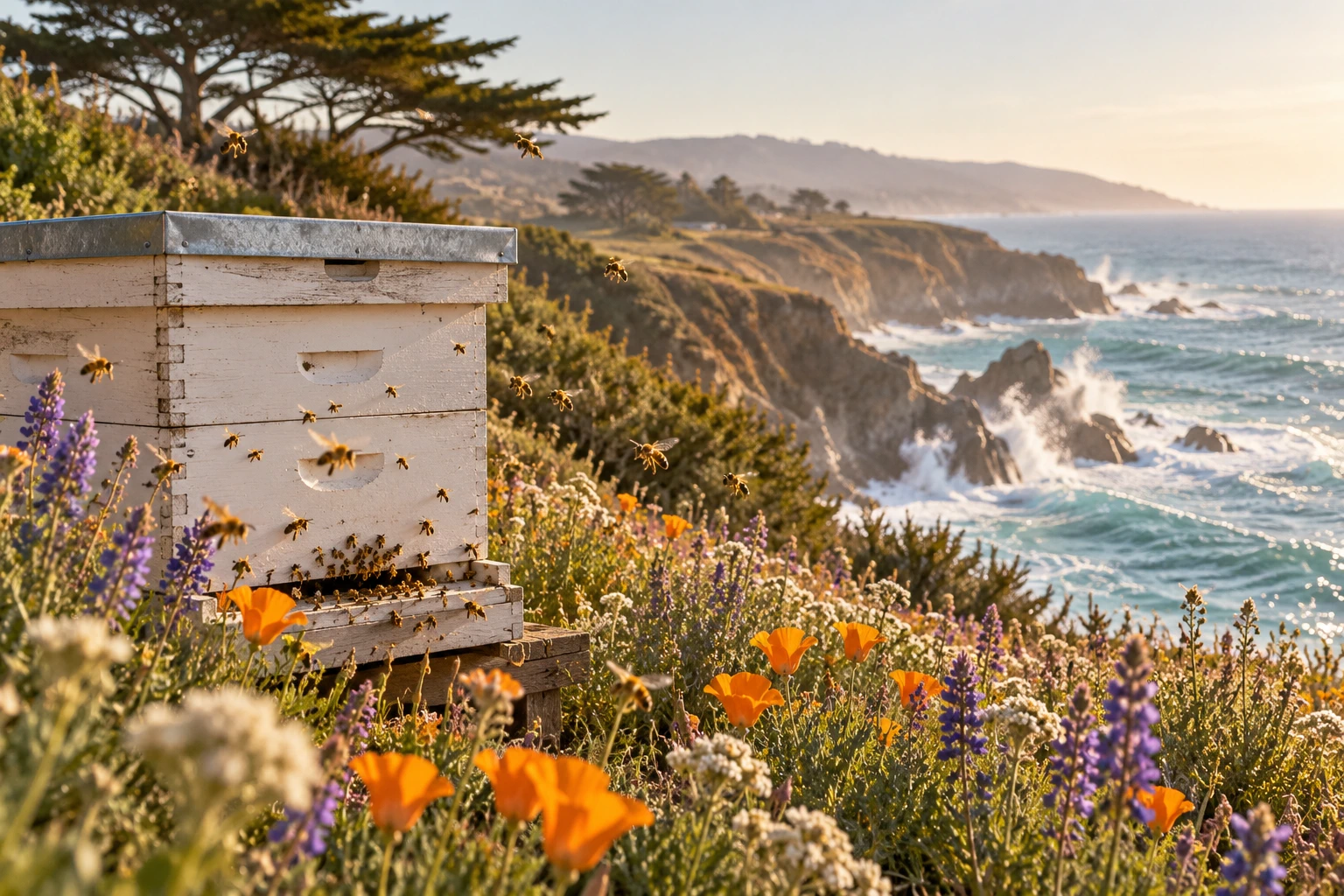
August has brought a noticeable change to the apiaries around Silverdale. The days are still warm, but the shortening evenings and cooler coastal mornings are already reminding us that summer does not last forever.
For many colonies, the big summer rush is now beginning to slow. Blackberry and many of our earlier garden flowers have finished blooming, while late-season plants are becoming increasingly important. In town, lavender, rosemary, sunflowers, asters and flowering herbs are still keeping plenty of bees occupied. Further inland, the dry conditions mean forage can vary considerably from one neighborhood to the next.
This is also the time of year when we start looking at the hive a little differently. In spring, almost every inspection is about growth. By late summer the question becomes: is this colony in good shape for the months ahead? Members are checking food stores, brood patterns and overall colony strength, while being careful not to disturb hives more than necessary.
Varroa mites are receiving particular attention this month. Mite populations can build quietly during summer, and a colony that looks perfectly busy from the outside may tell a different story once properly checked. At our August meeting we’ll demonstrate several monitoring methods and discuss what the results actually mean. If you keep bees and haven’t checked your mite levels recently, now is a very good time.
The dry weather also means water remains important. Please keep those shallow dishes and bird baths topped up, particularly during warm afternoons. A few stones, pebbles or floating pieces of cork give bees and other insects somewhere safe to land. And yes, bees are surprisingly bad swimmers.
One lovely observation from members this month has been the amount of activity on late-blooming plants. Bumblebees, honeybees, small native bees and the occasional hummingbird can sometimes all be found working the same patch of flowers. If you have room in your garden, allowing a few herbs to flower rather than harvesting everything is an easy way to extend the buffet a little longer.
Our August meeting will focus on late-season inspections, varroa monitoring, assessing winter stores and deciding when a colony needs help—and when the best thing a beekeeper can do is simply leave it alone.
As always, visitors are welcome. You don’t need bees, equipment or any idea what you’re doing. Curiosity is enough.
Contact: bees@silverdaleclub.org
Continue reading
You might also like
Summer Colony Update
Warm weather has Silverdale's colonies thriving, while a long dry spell makes garden water sources and late-season hive checks especially important.

The Healthiest Place on Campus
A student reflects on sage smoke, tidy flower beds and disappearing wildness, finding relief in soil, woods and the campus’s untamed edges.
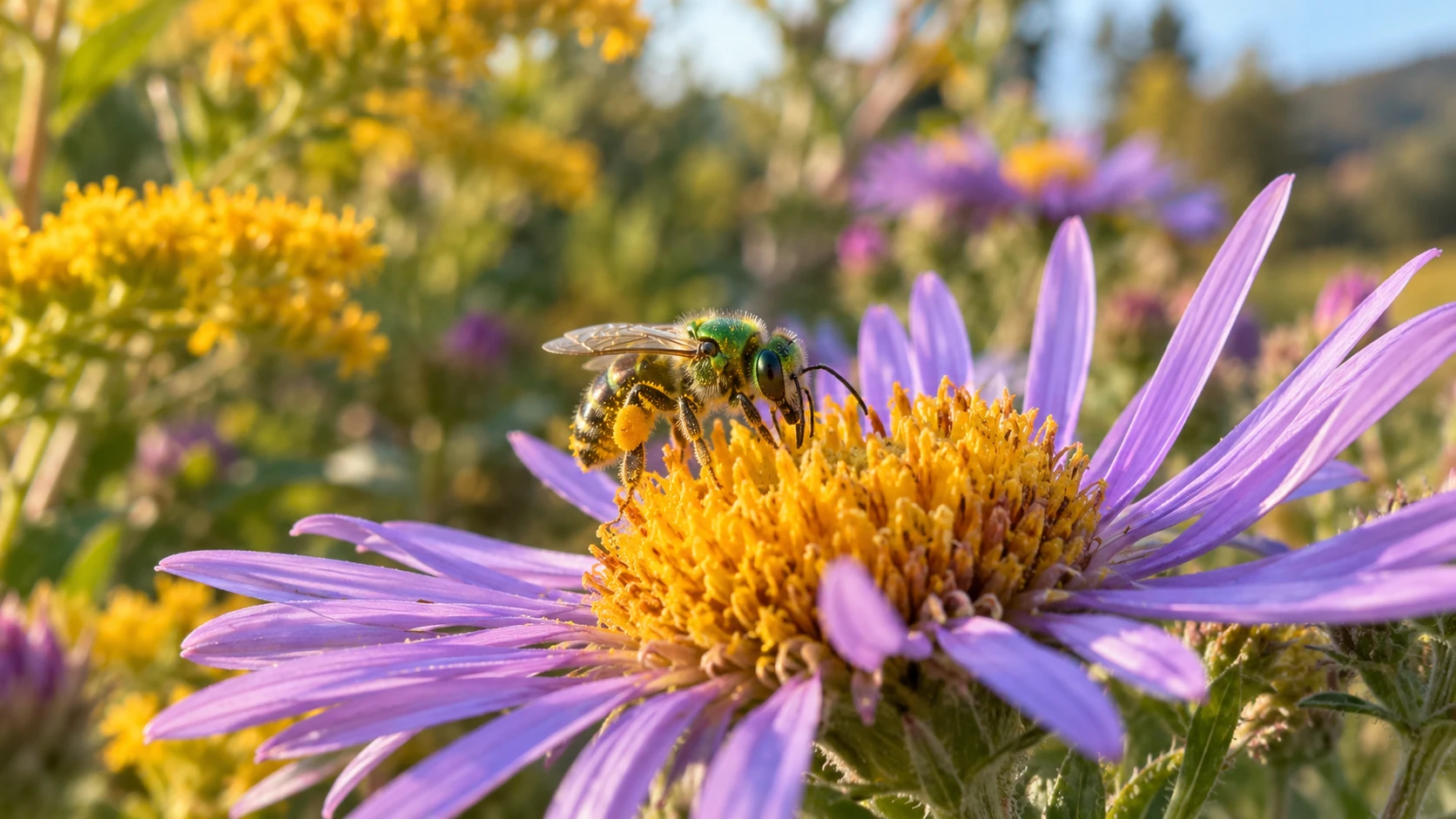
Meet the Little Green Bee of September
Silverdale’s honeybee colonies are beginning to slow down, but one of California’s most striking native bees can still be found working among late-summer flowers.
Community notes
Join the conversation
Thoughtful contributions help keep Silverdale’s community conversations useful, welcoming and connected.
GRACE COMMUNITY
Thank you.
Your Community Profile could not be verified.
Comments become available after participation has been confirmed.